The Promise That Attracts Millions
Few investments have captured the world's attention like cryptocurrency.
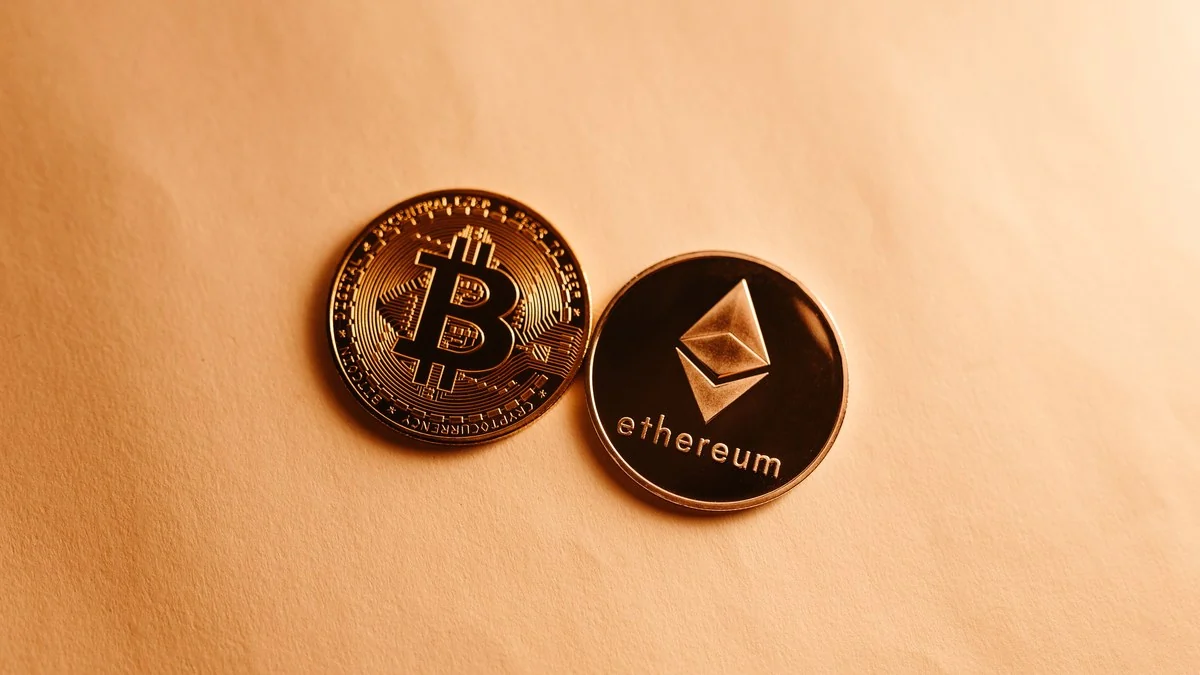
Stories of ordinary people turning a few thousand dollars into millions have spread across social media, financial news, and online forums for years. Bitcoin, Ethereum, and thousands of other digital assets have produced returns that traditional investments could rarely match in such short periods.
It's easy to understand why so many people become interested.
The idea of achieving financial freedom with one successful investment is incredibly appealing.
But the same market that has created remarkable wealth has also destroyed fortunes just as quickly. For every investor celebrating extraordinary gains, countless others have watched years of savings disappear after buying at the wrong time or taking risks they didn't fully understand.
Cryptocurrency isn't a guaranteed path to wealth.
It's a market where opportunity and risk exist side by side.
Why Some Investors Become Rich Almost Overnight
One reason cryptocurrencies can generate enormous returns is their extreme price volatility.
Unlike many established companies, whose stock prices may move only a few percentage points in a day, cryptocurrencies can rise 20%, 50%, or even several hundred percent within a relatively short period. During strong bull markets, investors who entered early have occasionally seen their investments multiply at a pace that seems almost unbelievable.
Bitcoin is perhaps the best-known example.
People who purchased it during its early years and held it through multiple market cycles experienced returns that few other investments have ever produced.
The same pattern has occurred with other digital assets, although on a much smaller and often less sustainable scale.
These success stories fuel the belief that anyone can become wealthy through cryptocurrency.
What they rarely show is how unusual those outcomes actually are.
The Other Side of the Story Is Rarely Shared
For every headline about someone becoming a millionaire through cryptocurrency, there are thousands of investors whose experiences receive almost no attention.
Some bought coins after prices had already surged because they feared missing out.
Others invested money they couldn't afford to lose, believing prices would continue rising indefinitely.
When markets reversed, reality arrived quickly.
A cryptocurrency worth $100 yesterday can lose 20% or 30% in a single day. Smaller cryptocurrencies have sometimes fallen more than 90% from their peak prices, with many never recovering.
Unlike a temporary decline in the stock of a profitable company, some digital assets disappear entirely after projects fail, developers abandon them, or investor confidence collapses.
In cryptocurrency, losses can happen just as fast as gains.
Sometimes even faster.
Volatility Is Both the Opportunity and the Danger
The very characteristic that attracts investors is also what makes cryptocurrency so risky.
Large price swings create the possibility of extraordinary profits.
They also create the possibility of extraordinary losses.
Imagine investing $10,000.
If the market doubles, you've earned another $10,000.
But if it falls by 50%, you've lost half your investment.
Recovering from that loss isn't as simple as waiting for another 50% increase. A portfolio that falls by 50% must grow by 100% just to return to its original value.
Many new investors underestimate how difficult that recovery can be.
Emotion Can Become Your Biggest Enemy
Cryptocurrency markets operate 24 hours a day, seven days a week.
Prices never stop moving.
That constant activity creates emotional pressure unlike most traditional investments.
When prices surge, investors often feel an overwhelming fear of missing out. They buy simply because everyone else seems to be making money.
When prices crash, the opposite happens.
Fear replaces excitement.
Many investors panic and sell near the bottom, locking in losses that might have remained temporary if they had invested according to a long-term plan.
Ironically, the greatest financial mistakes are often driven less by the market itself than by human emotion.
Not Every Cryptocurrency Has Real Value
One of the biggest misconceptions is believing all cryptocurrencies are fundamentally similar.
They're not.
Some projects aim to solve real technological or financial problems.
Others exist primarily because someone created a token hoping demand would drive its price higher.
Thousands of cryptocurrencies have been launched over the past decade.
Many no longer exist.
Some were abandoned by their developers.
Others failed because they never had a sustainable business model or meaningful real-world use.
Buying a cryptocurrency simply because its price has been rising is not the same as investing in a project with long-term potential.
Understanding what you're buying matters just as much as understanding how much you're paying.
Risk Management Matters More Than Picking the Perfect Coin
Successful cryptocurrency investors rarely rely on hope alone.
They understand that no one can predict short-term price movements with consistent accuracy.
Instead of investing everything into a single coin, many diversify their holdings and only invest money they can afford to lose without damaging their financial future.
This approach may sound conservative.
In a market capable of dramatic swings, it often becomes one of the smartest decisions an investor can make.
Protecting your capital is just as important as growing it.
Cryptocurrency Should Be Part of a Plan—Not the Entire Plan
Some people treat cryptocurrency as their entire investment strategy.
That significantly increases financial risk.
Many experienced investors view digital assets differently.
Rather than replacing traditional investments such as stocks, bonds, or index funds, cryptocurrency often represents only one portion of a diversified portfolio.
This approach recognizes both the enormous potential of blockchain technology and the reality that the market remains highly speculative.
If cryptocurrencies perform well, they can meaningfully improve portfolio returns.
If they perform poorly, they are less likely to destroy years of financial progress.
Balance often proves more valuable than excitement.
The Biggest Winners Usually Think Long Term
Many people associate cryptocurrency with day trading and constant buying and selling.
While some traders profit from short-term price movements, many of the largest fortunes were built differently.
Early Bitcoin investors who became millionaires typically held their investments through multiple crashes, bear markets, and years of uncertainty.
That required extraordinary patience.
It also required accepting that large temporary losses were part of the journey.
Whether someone chooses to invest in cryptocurrency or not, one lesson remains remarkably consistent across all financial markets:
Long-term discipline has historically outperformed emotional decision-making.
Extraordinary Opportunities Always Come With Extraordinary Risk
Cryptocurrency has permanently changed the financial world.
It introduced new technologies, created innovative payment systems, and generated wealth on a scale that few people imagined possible.
It has also reminded investors of an equally important truth.
High potential returns never come without meaningful risk.
Anyone promising guaranteed profits in cryptocurrency is ignoring one of the market's defining characteristics: uncertainty.
For some investors, cryptocurrency has become the investment that transformed their financial future.
For others, it became an expensive lesson about speculation, risk management, and the dangers of chasing quick riches.
The title of this article captures that reality perfectly.
Cryptocurrency really can make someone rich almost overnight.
But without knowledge, discipline, and a clear understanding of the risks involved, it can erase years of hard-earned wealth just as quickly.
Sources
U.S. Securities and Exchange Commission (SEC) — Crypto Asset Investing
CoinMarketCap — Cryptocurrency Market Data
Binance Academy — Cryptocurrency & Blockchain Education
This article was written by the owner of Finance Atlas. The information presented was researched using the authoritative sources listed above.
Continue Reading